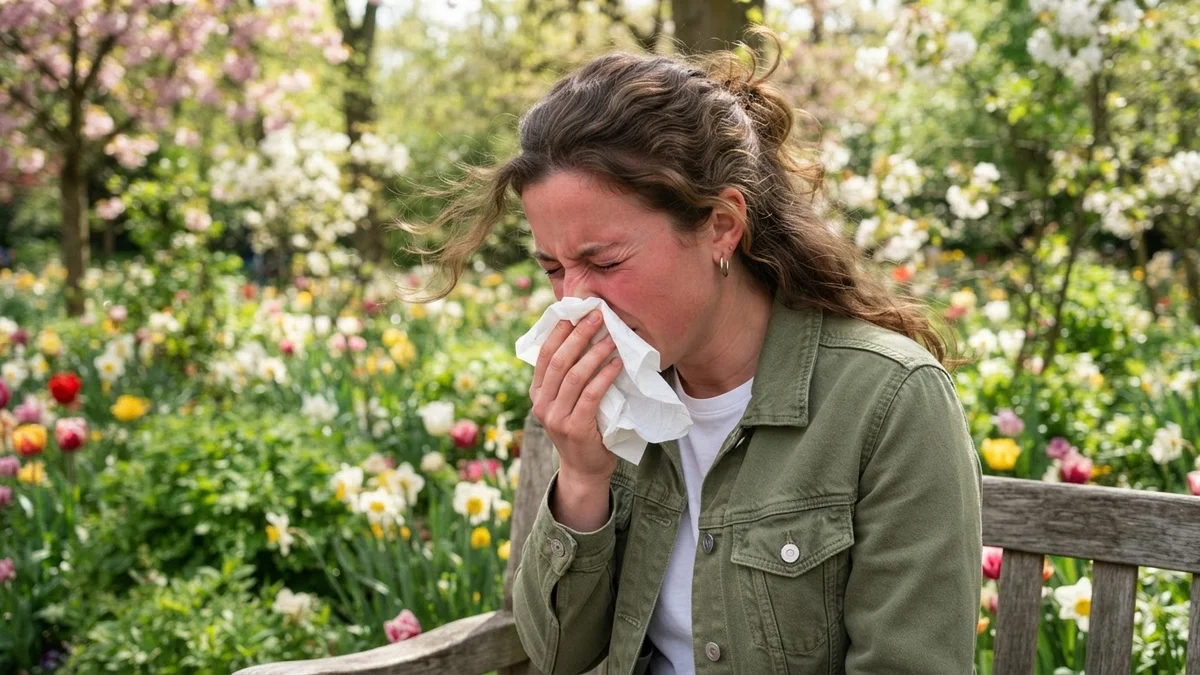
Seasonal allergies, often called hay fever or allergic rhinitis, happen when the immune system overreacts to airborne substances such as pollen. They affect people of all ages around the world and can make daily life uncomfortable.
Common Symptoms
- Sneezing and runny or blocked nose
- Itchy, watery or red eyes
- Itchy throat, nose or ears
- Tiredness and poor sleep
- Worsening of asthma in some people
Allergy or Cold?
| Feature | Seasonal allergy | Common cold |
|---|---|---|
| Duration | Weeks or the whole season | About 7–10 days |
| Itchy eyes | Common | Rare |
| Fever and body aches | No | Sometimes |
| Timing | Same season each year | Any time |
Common Triggers
- Tree, grass and weed pollen
- Mould spores
- Dust and air pollution, which can worsen symptoms
Reducing Exposure
- Check pollen forecasts and stay indoors on high-pollen days.
- Keep windows closed during peak pollen times.
- Shower and change clothes after being outdoors.
- Wear sunglasses to protect your eyes.
- Dry laundry indoors during high-pollen seasons.
Treatment Options
Pharmacists and doctors can recommend antihistamines, nasal sprays or eye drops. Saline nasal rinses can also help. For severe or long-lasting allergies, doctors may suggest allergy testing or immunotherapy.
When to See a Doctor
See a doctor if symptoms affect sleep or work, do not improve with standard treatments, or if you develop wheezing or breathing difficulty.
Conclusion
Seasonal allergies are common but manageable. Reducing exposure and using the right treatment can make each season far more comfortable.
Disclaimer: This article is for general information only and is not a substitute for professional medical advice, diagnosis or treatment. Always consult a qualified healthcare provider about your own situation.